A botanical insight into the graviola plant and its leaves
The graviola plant, also known as Annona muricata, is a botanical marvel that thrives in the tropical rainforests of our planet. In this article, we take a detailed look at the graviola plant, particularly its leaves, and explore its fascinating properties.
The graviola plant:
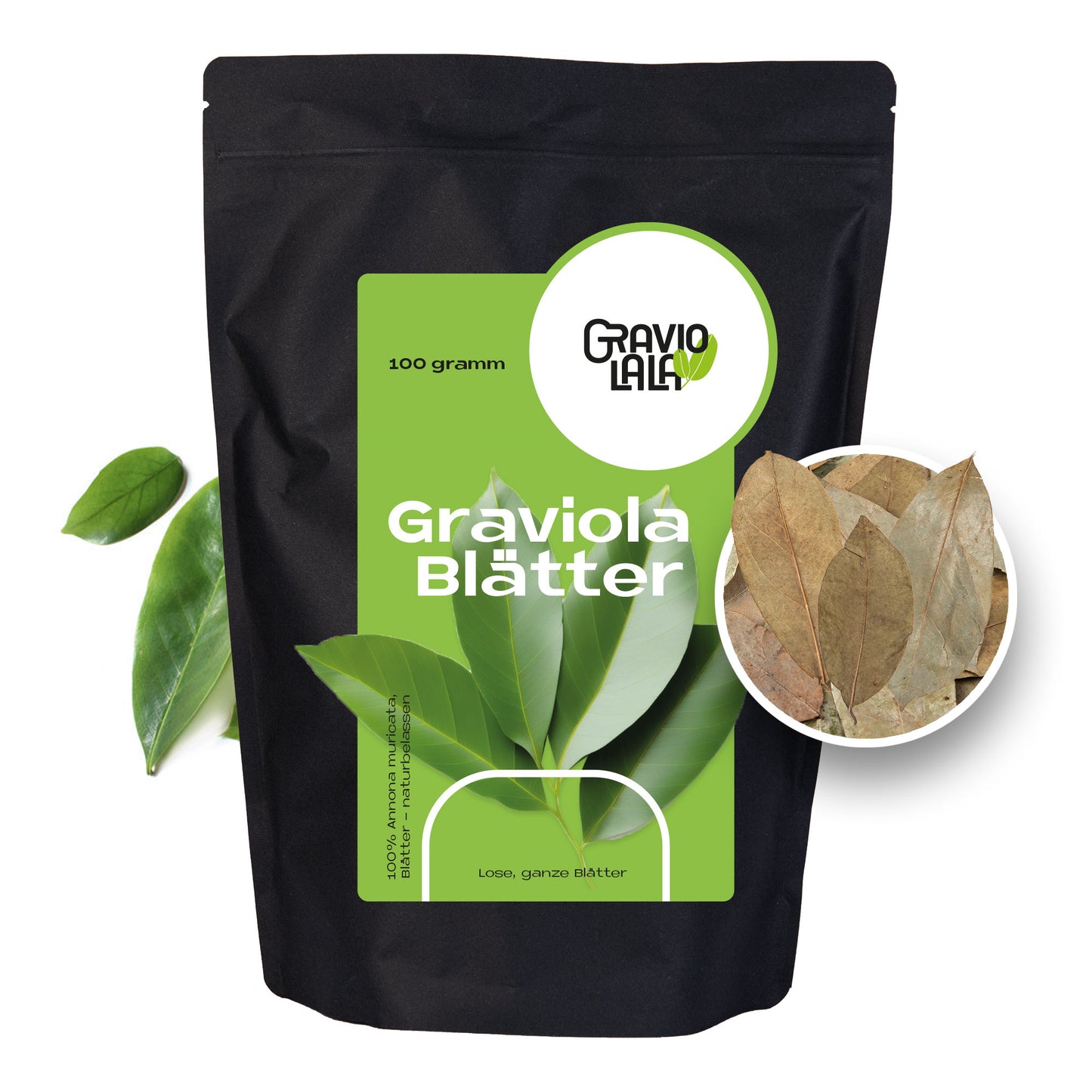
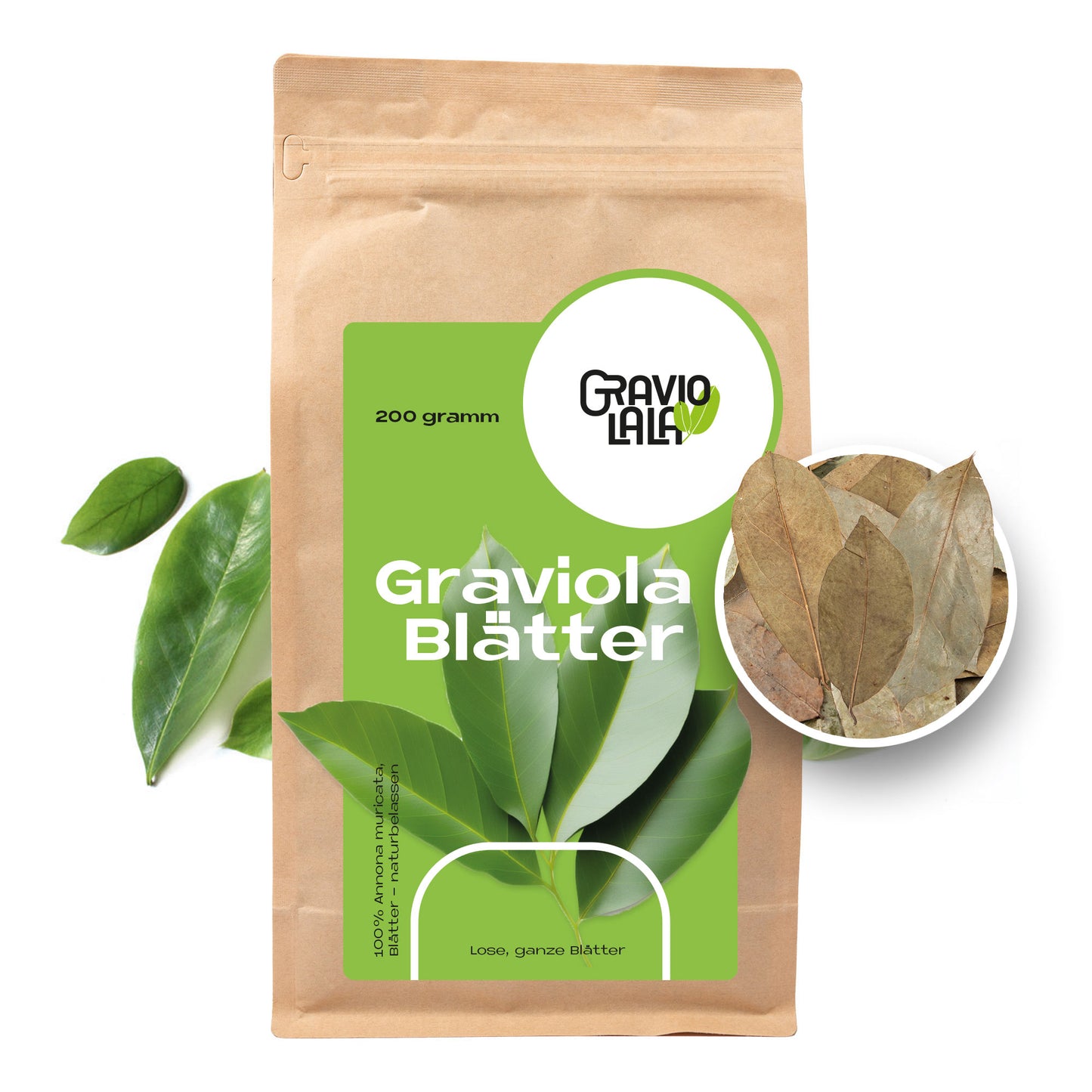
The graviola plant belongs to the Annonaceae family and is distinguished by its impressive leaves. These leaves are large, glossy, and deep green, a characteristic feature of the plant. The graviola tree itself reaches a height of approximately 3 to 8 meters and thrives in humid, tropical climates.
Graviola leaves:
The leaves of the graviola plant play a central role in its overall structure. They are not only visually striking but also crucial for photosynthesis – the process by which the graviola plant produces its nutrients. The leaves are robust and can reach a considerable size, making the graviola plant unmistakable in its natural habitat.
Growth conditions of the graviola plant:
The graviola plant prefers a tropical climate with ample humidity. Interestingly, the graviola leaves are an indicator of the plant's health: they thrive best in well-drained soil and with sufficient sunlight. These conditions allow the graviola plant to reach its full potential.
Ecological significance of graviola leaves:
The leaves of the graviola not only contribute to the beauty of the plant, but also have an important ecological function. They provide habitat and food for a variety of insects and serve as an important component of the ecosystem of their natural habitat.
The graviola plant, and especially its leaves, is a fascinating subject of study for botanists and nature enthusiasts. Its unique adaptability and contribution to the ecological balance make it a valuable component of tropical flora.